
Autism & SEN
GA Architects is a specialist architecture practice designing autism-friendly and SEN environments across the UK. With over 30 years’ experience since 1996, the practice works on residential, educational and respite settings for autistic children and adults and people with special educational needs – designing low-arousal, sensory-aware buildings that support wellbeing, independence and dignity. Our work is informed by ongoing research, publications and professional engagement in this field.
Our Approach to Autism-Friendly Design
Our portfolio includes residential, educational and respite settings, across both new build and refurbishment projects. We focus on creating low arousal environments that support wellbeing, independence and dignity, while responding carefully to operational, budgetary and regulatory requirements. In our experience, organisations providing care and education in this sector do not always have access to designers with specialist knowledge, and the impact of the built environment on daily life is often underestimated.
Working with Autism and SEN Architects
We work closely with our clients to develop clear and informed briefs, ensuring that each project delivers an appropriate and effective outcome within defined cost parameters. Our approach combines careful design with considered project management, supporting buildings that are calm, functional and enduring places to live, learn and work, while maintaining alignment between brief, programme and budget throughout delivery.
Following completion, we undertake a post occupancy review after six months of use. This allows us to assess how each building performs in practice, including maintenance, cleaning and day to day usability, providing useful feedback for both our clients and our ongoing work.





Frequently Asked Questions
What types of projects do autism and SEN architects work on?
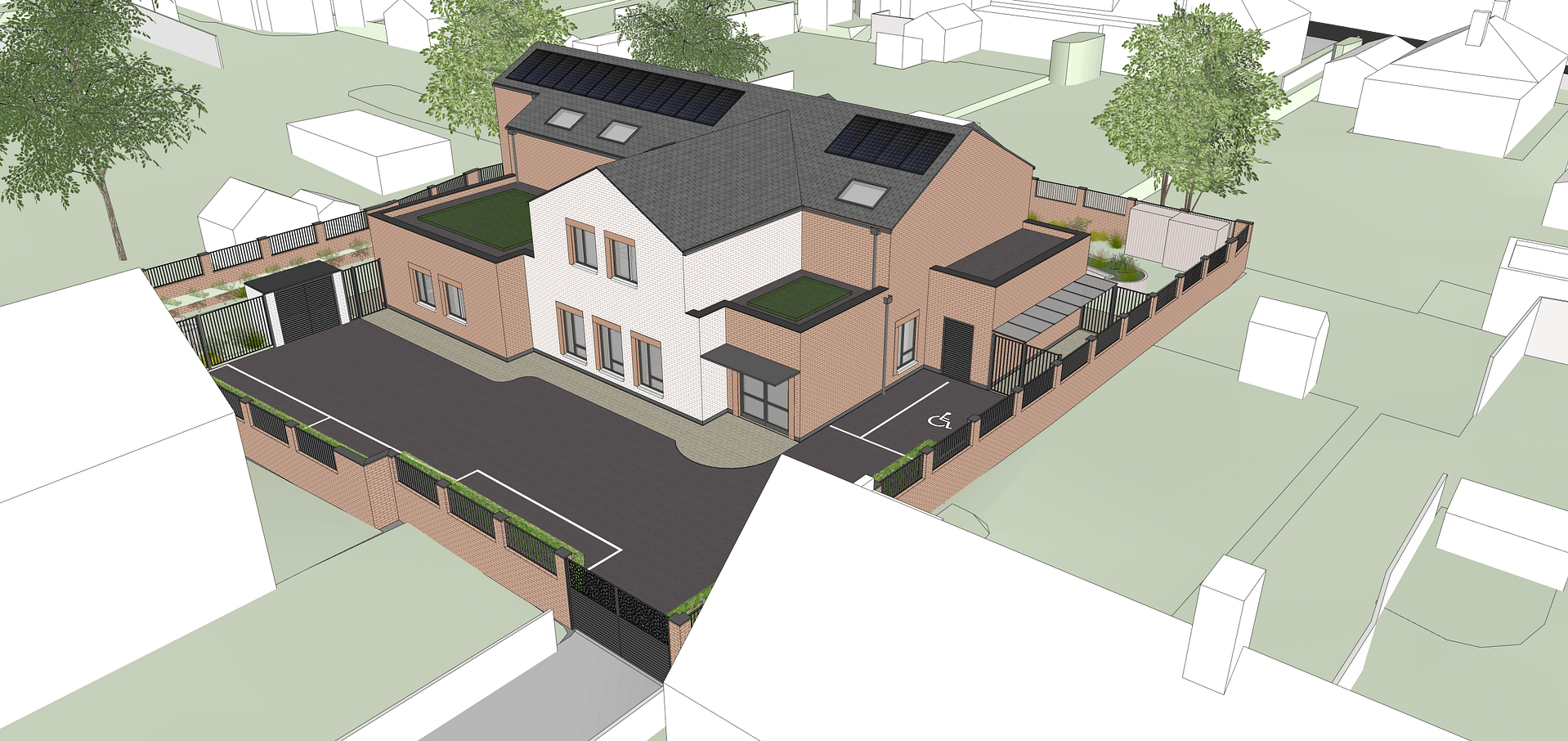
GA Architects works on residential care homes, special schools, supported housing and respite facilities for autistic people and those with special educational needs. Projects span both new build and refurbishment, ranging from small residential conversions to large special educational needs schools.
What is low-arousal design?
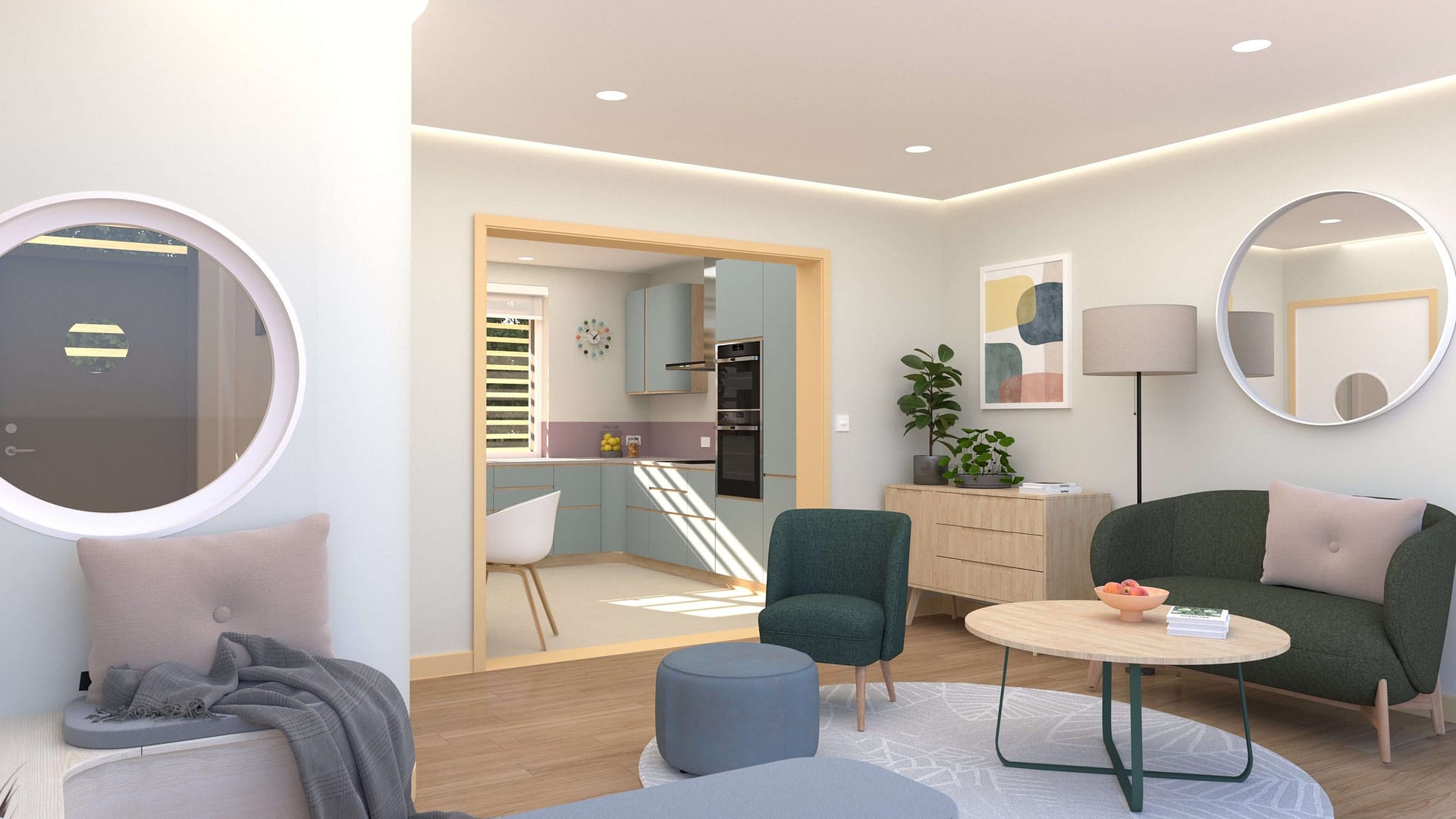
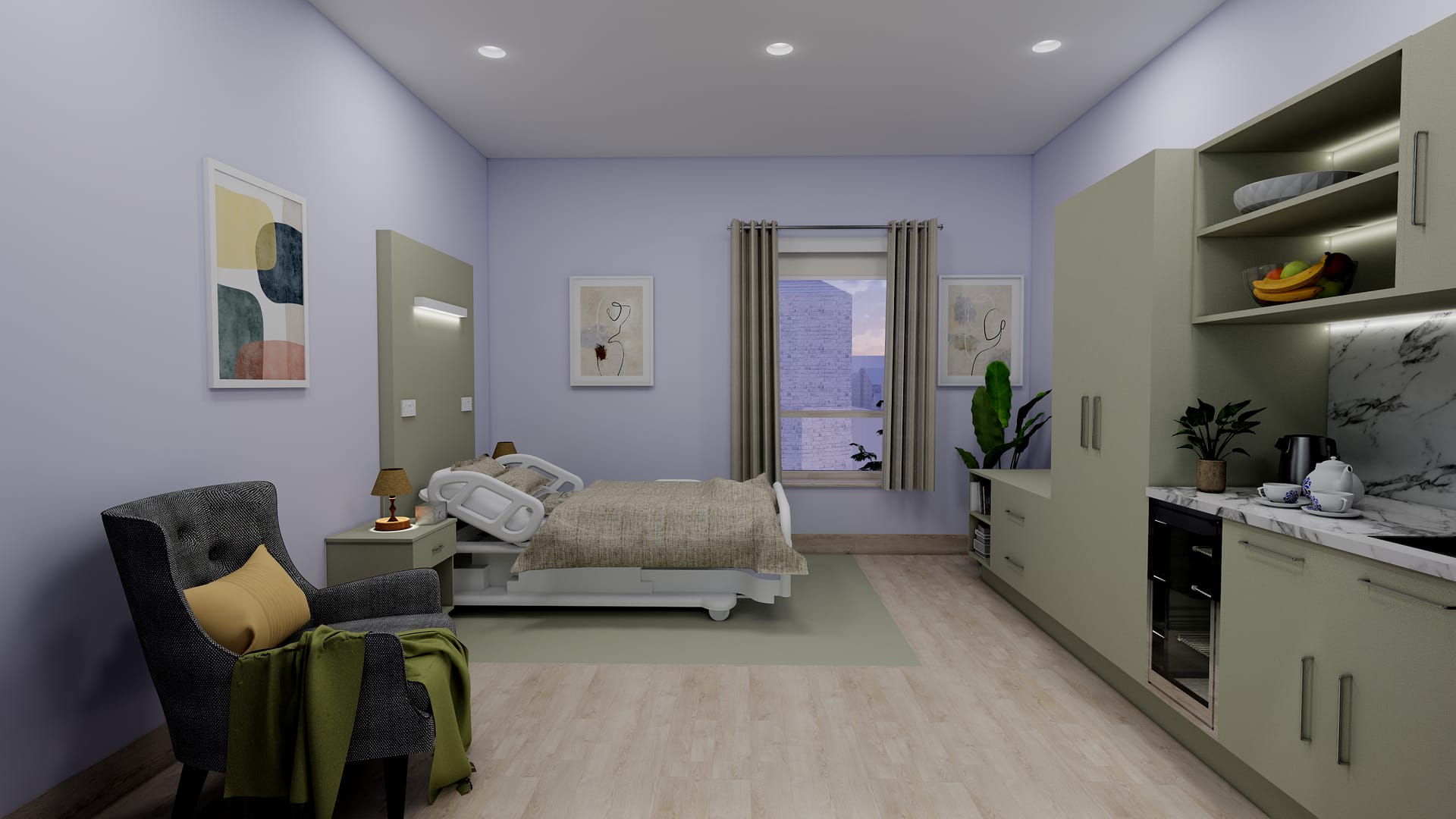
Low-arousal design is an evidence-based approach to architecture that reduces sensory overstimulation in the built environment. It involves careful control of light levels, acoustics, colour, texture and spatial complexity to create calming, predictable surroundings. The approach is particularly beneficial for autistic people, who may experience sensory processing differences that make standard environments overwhelming.